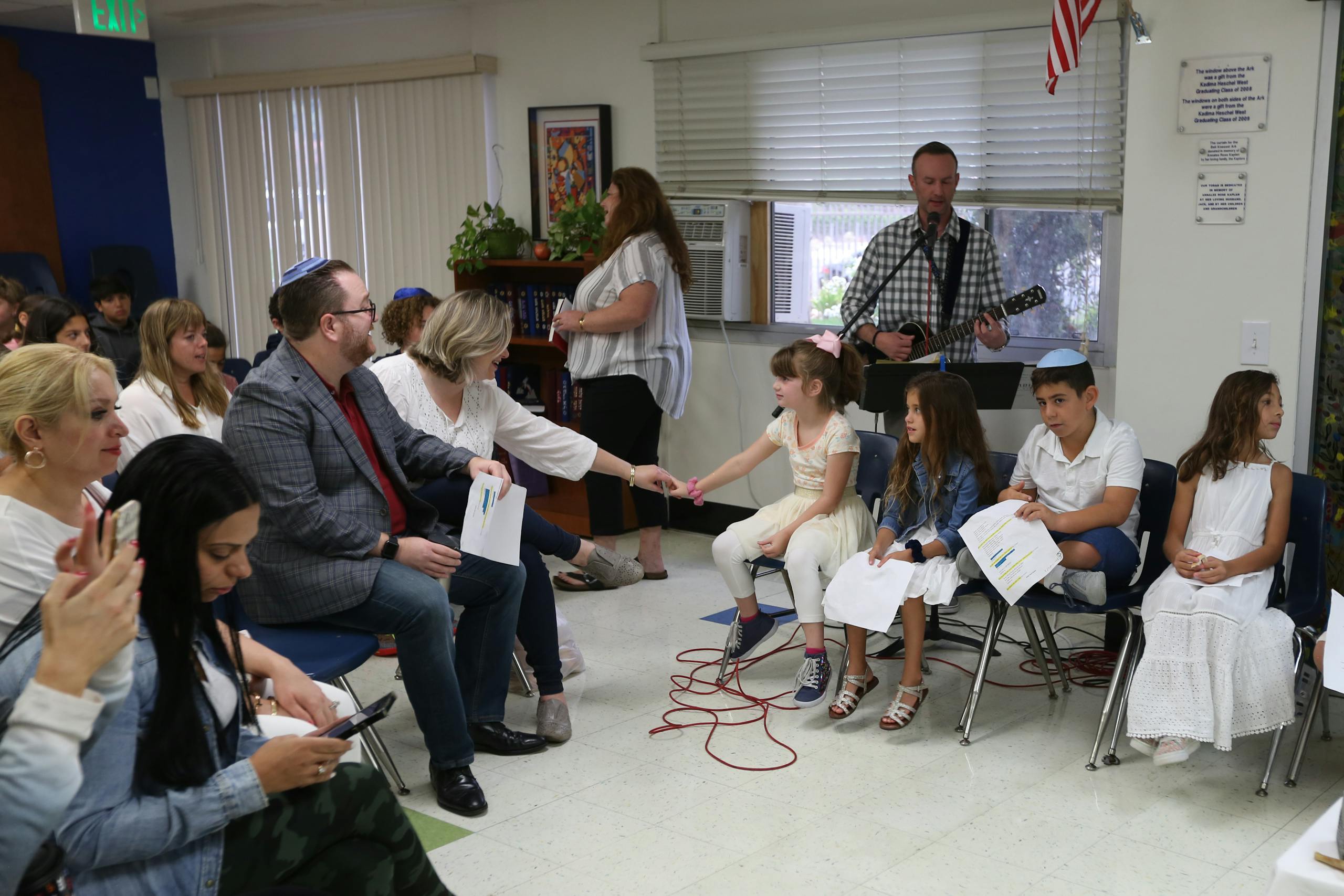
Christian Education is more than the transfer of knowledge; it is the shaping of lives in conformity to the image of Christ (Romans 8:29).
To achieve this, Christian educators must understand both the philosophy (the principles and worldview that guide the practice) and the theology (the biblical foundation and divine purpose) of education in the Christian context.
Part A. Philosophy of Christian Education
1. Meaning of Philosophy in Education
Philosophy is the study of wisdom, knowledge, values, and reality. In education, it answers the questions: Why do we teach? What should be taught? How should we teach? The philosophy of education has to answer all these and requires reasoning and facts about the logic.
2. Core Philosophical Foundations for Christian Education
There are several foundations for Christian Education which we need to understand. Some of them are discussed below.
I. Biblical Theism
God is the source of all truth “Santify them by the truth; your word is truth” (John 17:17). Education must be rooted in a worldview where God is central.” Because God is indeed the truth of all things, it must be a central thing.
ii. Christ-Centred Approach
Christ is the model Teacher and ultimate truth “Jesus answered, ‘I am the way and the truth and the life. No one comes to the Father except through me. (John 14:6). All knowledge should point students to Christlikeness. Jesus Christ is the knowledge of knowledge, and He can give everlasting knowledge.
iii. Holistic Development
Education should shape the whole person: spiritual, moral, intellectual, emotional, and social. The Book of Luke 2:52, which describes Jesus growing in “wisdom and stature and in favour with God and man”. Christian education must encompass all these aspects.
iv. Purpose of Christian Education
The purpose of Christ’s education is to glorify God. “1 Corinthians 10:31, which encourages doing everything to the glory of God, and Deuteronomy 6:5, which calls for loving God with “all your heart and with all your soul and with all your strength”.
Also, Christian education aims to prepare believers for service in the church and society and transmit biblical values across generations (Deut. 6:6–9).
3. Major Educational Philosophies Compared with Christian Education
Naturalism – This exalts nature as the ultimate reality → rejected in Christian education. It has nothing to do with supernatural claims but natural properties and theories.
Humanism – In this philosophy, man is central → replaced with a God-centered focus. It is believed in a rationalist school of thought, and the importance of human rather than divine or supernatural matters.
Pragmatism – truth is what works → Christian education sees truth as God’s revelation. Pragmatism is a philosophy that believes in tradition and norms that view thoughts as tools for prediction problem problem-solving rather than any other schools of thought.
Christian Philosophy – knowledge and wisdom are grounded in Scripture and divine revelation. Read the following Bible verses, “Wisdom and knowledge include Proverbs 2:6, which states, “For the Lord gives wisdom; from His mouth come knowledge and understanding”.
James 1:5 asks God for wisdom, saying, “If any of you lacks wisdom, let him ask God, who gives generously to all without finding fault”.
Part B: Theology of Christian Education
This comprises certain areas and doctrines that all Christian educators should know in Christian education.
1. Theological Foundations
Christian Education is not man-made but God-ordained. It is built on these truths. The truth is rooted oinChrist Jesus. Jesus Christ is the all in all that is the foundation of Christian education. Some foundations are discussed below.
i. Doctrine of God (Theology Proper)
God is the source of all truth (Prov. 2:6). “For the Lord gives wisdom; from his mouth comes knowledge and understanding.” He reveals Himself through creation, Scripture, and Jesus Christ.
ii. Doctrine of Man (Anthropology)
Man is created in God’s image (Gen. 1:27). “So God created mankind in his own image, in the image of God he created them, male and female he created them.” Man’s fallen nature requires redemption and renewal through education in God’s Word.
iii. Doctrine of Christ (Christology)
Christ is both Teacher and Content of Christian education (Matt. 28:19-20). “Jesus commissions his followers to go and make disciples of all nations by baptising them in the name of the Father, the Son, and the Holy Spirit, and teaching them to obey all that Jesus commanded.” His Great Commission is the mandate for Christian teaching.
iv. Doctrine of the Holy Spirit (Pneumatology)
The Holy Spirit empowers teachers and enlightens learners (John 14:26). “But Advocate, the Holy Spirit, whom the Father will send in my name, will teach you all things and will remind you of everything I have said to you.” True understanding comes by the Spirit’s illumination, revealing the truths in the life of his people.
v. Doctrine of the Bible (Bibliology)
The Bible is the authoritative curriculum. All Christian education must be rooted in Scripture (2 Timothy 3:16-17). 2 Timothy 3:16-17 states that “all Scripture is God-breathed” and is useful for teaching, correction, and training, enabling a person of God to be “complete, thoroughly equipped for every good work”.
vi. Doctrine of the Church (Ecclesiology)
The Church is the primary context of Christian education. Education equips believers for ministry and mission (Ephesians 4:1 –13). The Bible states that “Christ gave apostles, prophets, evangelists, and pastors and teachers to prepare God’s people for service, thereby building up the body of Christ.”
2. The Goal of Christian Education
Christian education aims to bring learners to faith in Christ and maturity in Him. It is to integrate biblical truth into all areas of life and prepare leaders and disciples who impact the world for Christ.
Part C: Integration of Philosophy and Theology
This part reviews all that has been discussed in parts 1 and 2 that should be taken note of.
Philosophy provides the framework (the “how” and “why”).
Theology provides the foundation (the “what” and “who”).
Together, they ensure that Christian education is not just academic learning but also spiritual transformation.
Conclusion
The philosophy and theology of Christian education remind us that education is not merely an intellectual exercise but a spiritual mandate.
It seeks to glorify God, build up the body of Christ, and influence society with Kingdom values. Christian educators, therefore, must be grounded in biblical truth, guided by a Christ-centred philosophy, and empowered by the Holy Spirit to fulfil their calling. Read the similar post on this page.